Protect Europe against Trump’s revenge
In Europe, we all agree that standing up for what is right and calling out those responsible should not put you at risk of losing everything. This is especially true when we are talking about genocide and war crimes.
However, if you dare to criticise Trump, his regime or his allies like Israel, you run the risk of their revenge.
Tell Europe to stand up against the bullies. Send an email now.
The judges who prosecute war crimes and the human rights organisations that document them — in Ukraine, in Gaza and elsewhere — are being punished for it.
And that can go far: Those sanctioned by Trump’s administration can no longer pay rent, do groceries, take out health insurance, book a hotel or a train ticket — because banks, insurers and businesses would rather cut ties than risk a fine from Washington.
Documenting a genocide should never cost you your bank account.
Gathering evidence of war crimes should never get you cut off from your own money.
Calling out those responsible for crimes against humanity (and their accomplices) should never land you on a blacklist alongside terrorists.
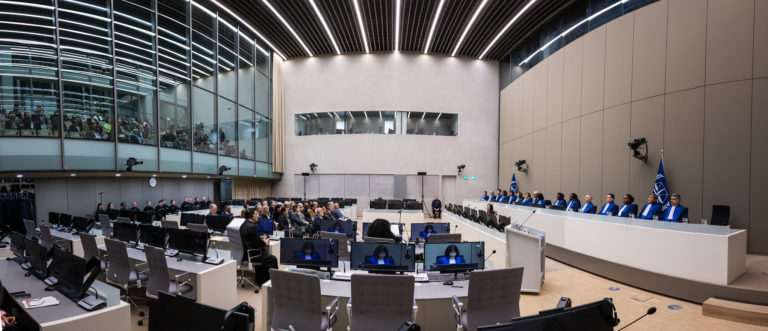
Yet that is exactly what is happening to the judges, human rights organisations and UN experts – like Francesca Albanese – doing this work.
The European Union has a legislative tool to counter the bullying from Trump and his cronies: It is called the Blocking Statute. But up until now it is not using the tool, leaving those fighting for international justice out in the cold. With severe personal consequences for people like UN Special Rapporteur Francesca Albanese, the judges of the International Criminal Court and people working for NGOs.
We call upon European decision makers to stand up against the bullying by Trump and to activate this Blocking Statute. We will do so on a European level.
You can help by sending an email to your minister of foreign affairs and to the president of the European Commission.
Jaume Asens 🇪🇸
Saskia Bricmont 🇧🇪
Maria Ohisalo 🇫🇮
Nela Riehl 🇩🇪
Mounir Satouri 🇫🇷
Benedetta Scuderi 🇮🇹
Villy Søvndal 🇩🇰
Tineke Strik 🇳🇱
Greens/EFA Members of the European Parliament
Don't stay silent. Send an email now and make a difference. 👇
Step 1: Enter some details about yourself.
Step 2: We have a draft ready for you to send. The more personal you write your message, the more effect it will have.